
Discover Tailored Solutions
Comprehensive Value-Added Services for Your Business
Explore how JAM Industries Inc. can enhance your operations with our specialized services.
Efficient Distribution
Reliable Fulfillment
Secure Warehousing
Custom Processing
See Detail Descriptions Below:
Decades of Expertise, Strategically Located for You
Your Partner in Logistics
With more than 37 years serving the distribution community, JAM Industries Inc. possesses deep expertise in handling logistics for both high-volume retailers and specialized boutique stores. Understanding and efficiently satisfying rigorous retail compliance demands isn’t just something we do – it’s a core competency that ensures your products flow smoothly through the supply chain.
Our facilities provide a distinct geographical advantage, situated for optimal access to the Ports of Long Beach and Los Angeles and Los Angeles International Airport (LAX). This strategic positioning translates directly into faster, easier handling of your inbound and outbound freight, regardless of whether it arrives via air or sea. Trust JAM Industries for experienced compliance management and unparalleled logistical access.
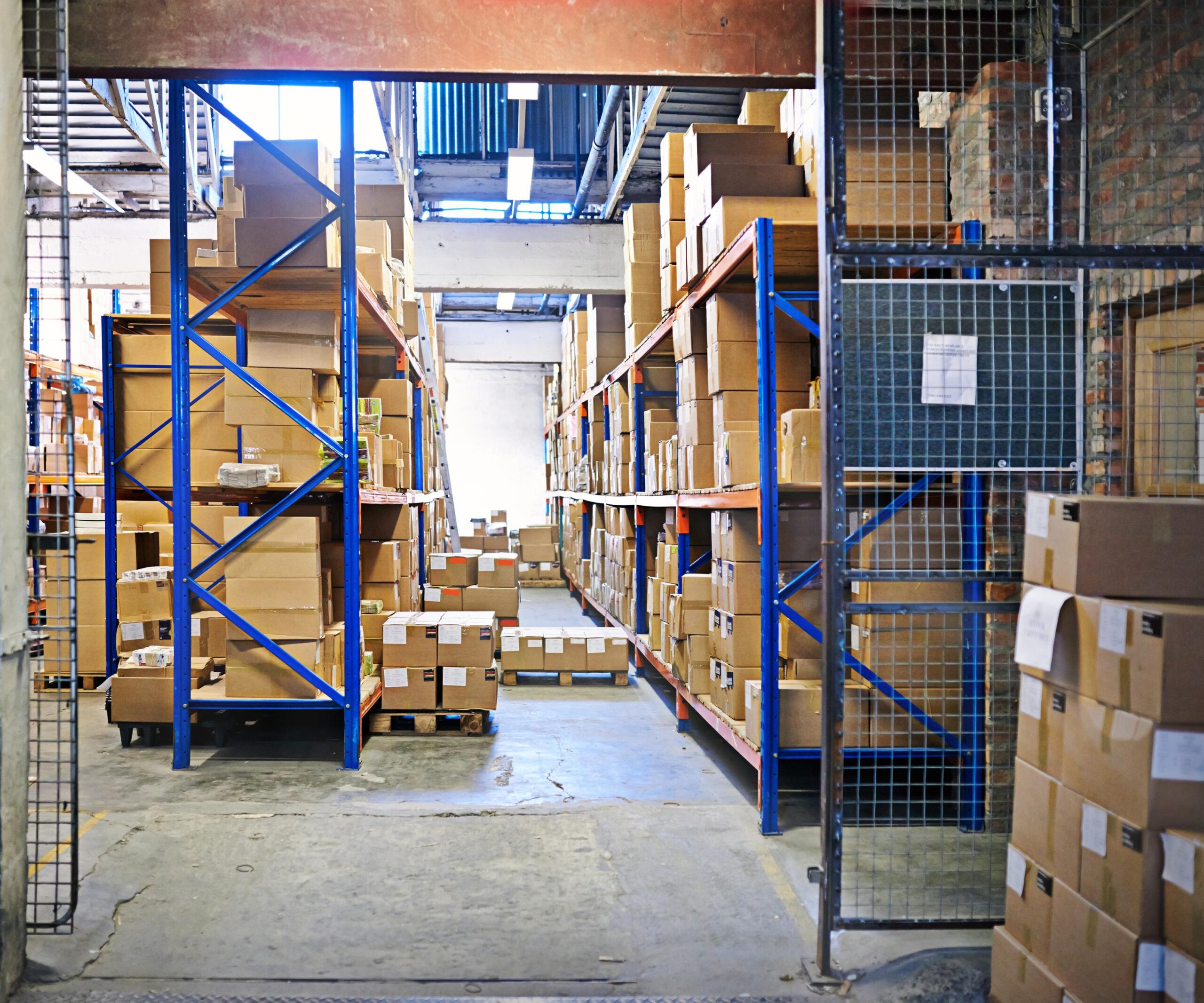
From Quality Control, to Pick and Pack to Labeling, JAM Industries Inc. has YOUR Solution.
Core Product Preparation & Handling

Kitting and Assembly:
- Creating retail product bundles (in sets).
- Assembling promotional kits (e.g., a travel pack with various samples).
- Putting together parts for a final product that requires minor assembly before sale.
Repackaging:
- Breaking down bulk shipments into smaller, retail-ready units.
- Combining individual items into larger multipacks.
- Re-boxing damaged packaging with new materials.
- Creating custom packaging solutions for specific products or promotions.
- Wrapping products in protective materials like bubble wrap or foam.
- Preparing products for international shipping with appropriate packing materials and labeling.
Labeling:
- Applying shipping labels with customer addresses and tracking information.
- Attaching product labels with barcodes, SKUs, or pricing.
- Adding promotional stickers or labels for special offers.
- Applying compliance labels (e.g., nutritional information, safety warnings).
- Generating and applying custom labels based on specific order requirements.
- Removing old or incorrect labels and applying new ones.
Customization:
- Adding personalized inserts or notes to packages.
- Modifying product colors or configurations (if feasible and simple).
- Bundling specific combinations of products based on customer preferences.
- Applying unique identifiers or serial numbers beyond standard labeling.
Quality Inspections:
- Visual checks for defects, damage, or inconsistencies.
- Functional testing of electronic or mechanical products.
- Verification of product counts and contents against order lists.
- Checking for proper labeling and packaging according to requirements.
- Taking samples for more in-depth quality assurance testing.
- Sorting out damaged or defective items for return or disposal.
Sorting and Segregation:
- Separating products by destination (e.g., different stores or regions).
- Grouping items by customer order.
- Segregating products based on specific characteristics (e.g., size, color, material).
- Organizing inventory based on storage requirements.
- Sorting returned goods for processing.
Ticketing and Price Tagging:
- Attaching price tags with retail pricing.
- Applying security tags or anti-theft devices.
- Adding promotional tags or discount stickers.
Blister Packing:
- Sealing small items in clear plastic blisters attached to a backing card for retail display and protection.
Shrink Wrapping:
- Wrapping individual products or bundles of products tightly in plastic film for protection from dust and moisture.
- Creating stable units for shipping and handling.
Strapping and Palletizing:
- Securing boxes or products to pallets using plastic or metal straps to prevent shifting during transport.
- Wrapping pallets with stretch film for added stability and protection.
Staging:
- Organizing picked orders in a designated area before loading onto trucks for delivery.
- Grouping orders by route or carrier.
- Ensuring all components of an order are present and ready for shipment.
- Potentially involving documentation checks before dispatch.
Order Fulfillment & Distribution

Order Picking and Packing:
- Single-Order Picking: Selecting items needed for one customer order at a time. This can be done manually with pick lists.
- Batch Picking: Picking items for multiple orders simultaneously to increase efficiency. These items are then sorted into individual orders later.
- Zone Picking: Assigning specific warehouse zones to pickers, who only collect items from their designated area. This can be combined with batch picking or wave picking.
- Wave Picking: Releasing orders in waves throughout the day based on factors like carrier cut-off times or destination.
- Item-Level Packing: Carefully packing each individual item to prevent damage during shipping, considering the fragility and size of the product.
- Multi-Item Packing: Efficiently combining multiple items from the same order into the most appropriately sized box or container.
- Special Handling Requirements: Packing items according to specific instructions, such as including fragile stickers, using specific void fill, or following retailer-specific guidelines.
- Gift Wrapping and Personalized Packaging: Offering services like wrapping items in gift paper, adding bows, or including personalized notes or cards.
Same-Day/Next-Day Delivery Preparation:
- Prioritizing orders with expedited shipping options.
- Allocating resources to ensure these orders are picked, packed, and ready for carrier pick-up within tight deadlines.
- Potentially utilizing dedicated picking and packing teams or specific staging areas for these urgent orders.
- Working closely with carriers to ensure timely pick-ups and deliveries.
Direct-to-Consumer (D2C) Fulfillment:
- Managing the entire order lifecycle for online retailers, from receiving the order to shipping it directly to the end consumer.
- Handling individual customer orders, often with smaller quantities per order compared to business-to-business (B2B) shipments.
- Providing services like managing returns, handling customer inquiries related to shipping, and potentially offering branded packaging.
Drop Shipping:
- Holding inventory for a third-party seller (like an online store).
- When an order is placed on the seller’s website, the warehouse picks, packs, and ships the item directly to the customer under the seller’s branding.
- The seller doesn’t need to handle or see the physical inventory.
Reverse Logistics (Returns Management):
- Receiving returned goods from customers.
- Inspecting the returned items to determine the reason for return and their condition.
- Sorting returns based on criteria like restock able, damaged, or needing repair.
- Processing refunds or exchanges according to the seller’s policies.
- Potentially refurbishing returned items for resale or arranging for proper disposal or recycling.
Merge in Transit:
- Receiving different parts of a single customer order from various suppliers or even different locations within the same warehouse.
- Holding these components until all parts of the order are received.
- Consolidating all the items into one final shipment to the end customer. This is common for complex orders or when items are sourced from different places.
Cross-Docking:
- Receiving inbound shipments and immediately transferring them to outbound loading docks without putting them into storage.
- This is ideal for fast-moving goods with pre-allocated destinations, reducing warehousing time and costs.
- Can involve sorting and consolidating goods from different inbound trucks into outbound trucks destined for specific retail stores or distribution centers.
Transloading:
- Moving goods from one mode of transportation to another within the warehouse facility.
- This often involves specialized equipment and careful coordination to ensure efficient and safe transfer.
Inventory Management & Control

Inventory Audits:
- Physical Inventory: Conducting a comprehensive, manual count of all inventory items in the warehouse at a specific point in time. This helps reconcile physical stock with inventory records and identify discrepancies.
- Annual Inventory: A full physical inventory typically performed at the end of a fiscal year for accounting and tax purposes.
- Spot Checks: Randomly selecting and counting specific items or locations to verify inventory accuracy.
Vendor Managed Inventory (VMI):
- Allowing suppliers to monitor and manage the inventory levels of their products within the warehouse.
- The supplier takes responsibility for ensuring adequate stock levels, potentially automating replenishment orders.
- This can improve efficiency and reduce stockouts for the client.
Value-Added Financial & Administrative Services

Documentation Services:
- Generating Bills of Lading (BOLs): Creating the official document that outlines the details of a shipment, including the origin, destination, contents, and carrier.
- Preparing Packing Lists: Creating detailed lists of the items included in each shipment, often with quantities and weights.
- Generating Shipping Manifests: Creating summaries of all shipments being transported together.
- Handling Special Documentation Requirements: Preparing documentation required for specific types of goods or destinations.
Invoicing and Payment Processing:
- Generating Invoices for Warehouse Services: Creating bills for storage, handling, fulfillment, and other value-added services provided.
- Processing Payments from Clients: Accepting and processing payments for warehouse services.
- Providing Detailed Billing Reports: Offering transparent reports on all charges incurred.
Shipping Label Variations

Thermal Labels (crucial for many shipping aspects):
- Thermal Printing of Standard Shipping Labels: Generating and applying labels with addresses, tracking barcodes, carrier information, and routing codes using thermal printers. This is fundamental for efficient outbound logistics.
- Thermal Printing of Customized Shipping Labels: Including specific customer instructions, branding elements, or promotional messages on thermal shipping labels.
- Thermal Printing of Return Shipping Labels: Generating and including pre-printed return labels within outbound shipments for customer convenience.
- Thermal Printing of Compliance Shipping Labels: Applying labels required for specific shipping regulations, such as those for hazardous materials or international shipments.
Color Labels (General Use for Identification and Sorting):
- Using Color Labels for Batch or Lot Identification on Shipments: Applying colored labels to distinguish different batches or lots within a larger shipment, aiding in tracking and quality control upon arrival.
- Applying Color Labels for Destination Sorting: Using different colored labels to quickly identify shipments destined for specific regions, distribution centers, or even individual stores. This speeds up the loading and unloading process.
- Utilizing Color Labels for Prioritization of Shipments: Applying distinct colored labels to mark urgent or high-priority shipments for expedited handling.
- Applying Color Labels for Product Category Identification on Outbound Pallets: Using colored labels on pallets containing specific product types to help receivers quickly identify and sort incoming goods.
- Custom Color-Coding Systems for Specific Client Needs: Implementing a unique color-coding system requested by a client for their specific products or shipping requirements, allowing for easier visual identification throughout their supply chain.
Technology & Integration Services

Data Technology Utilization:
- Data Consolidation and Formatting for UPS WorldShip Import: If a client has order data in various formats or systems, the warehouse can consolidate this information into a single Excel file formatted specifically for easy import into UPS WorldShip or other UPS shipping platforms. This saves the client time and reduces manual data entry.
- Creating Excel Templates for UPS Export: The warehouse can provide clients with pre-designed Excel templates that adhere to UPS export data requirements, making it easier for clients to provide the necessary information in the correct format.
- Inventory Level Reports in Excel: Regularly providing clients with up-to-date reports on their inventory levels, including quantities on hand, available quantities, and items on hold, all neatly formatted in Excel.
- Customized Inventory Reports in Excel: Tailoring Excel reports to meet specific client requirements, including specific data fields, filtering options, and formatting preferences. This could include reports based on product categories, suppliers, or specific time periods.
Our Expertise
Comprehensive Service Offerings
Distribution Solutions
Optimize your supply chain with our efficient and scalable distribution services, designed to meet your specific needs.
Fulfillment Services
Ensure timely and accurate order fulfillment with our state-of-the-art systems and dedicated team.
Warehousing Solutions
Secure and flexible warehousing options that cater to your storage requirements, ensuring safety and accessibility.
Processing Solutions
Enhance your product handling with our customized processing services, tailored to your operational demands.
Logistics Management
Streamline your logistics with our comprehensive management services, ensuring efficiency and cost-effectiveness.
Consulting Services
Leverage our industry expertise to optimize your operations and achieve your business goals.
Partner with Us for Tailored Solutions
Ready to optimize your operations? Contact JAM Industries Inc. today to explore how our bespoke distribution, fulfillment, warehousing, and processing solutions can be customized to meet your unique business needs. Let us be the cornerstone of your success in Los Angeles and beyond.